Service Area Pages: A Local SEO Playbook for Regional Businesses
When and how to build city and neighborhood service pages that rank, without duplicate spam, for businesses serving Raleigh, Durham, Cary, and the wider Triangle.
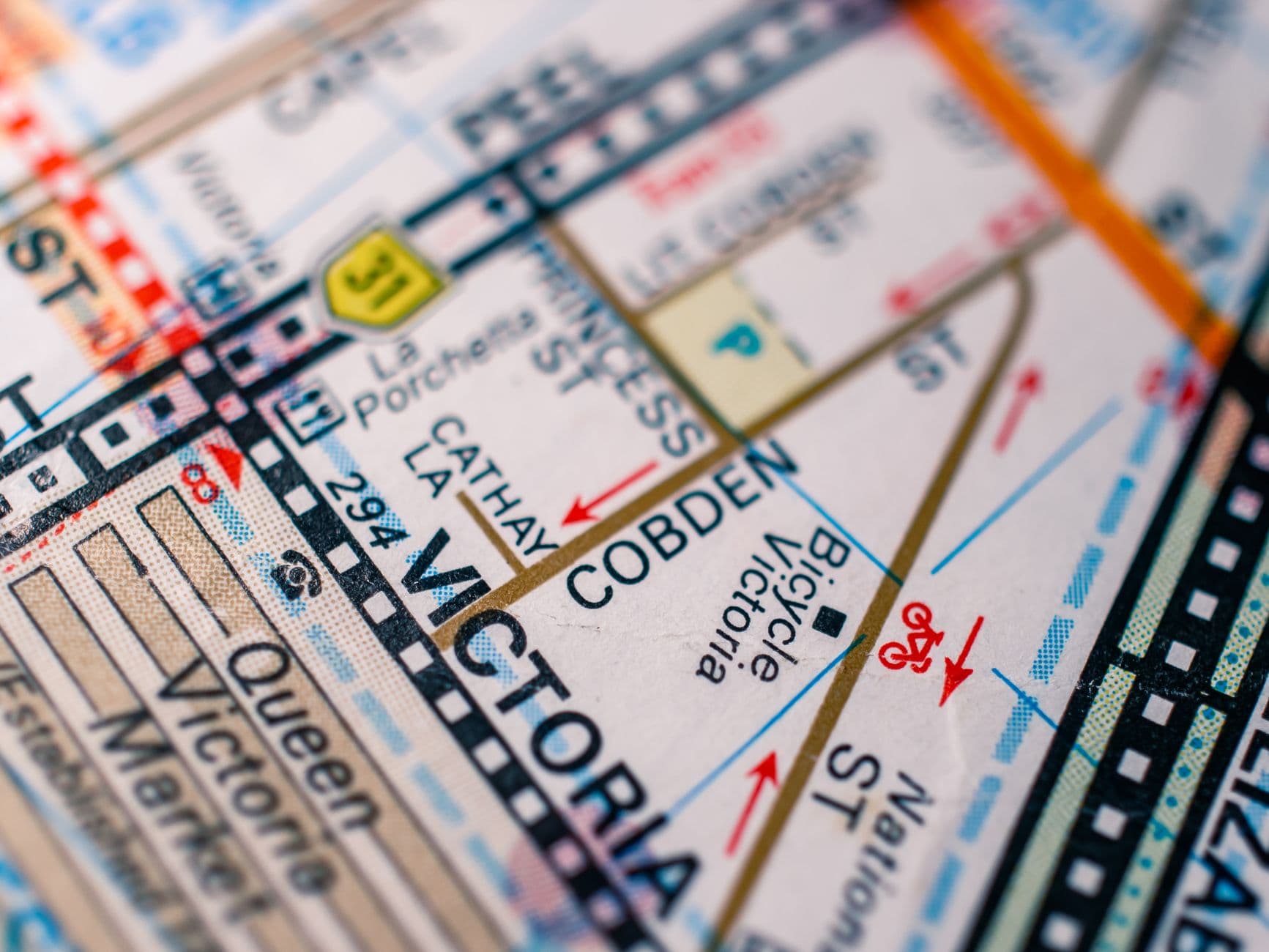
Service-area businesses, contractors, agencies, home services, often need visibility beyond a single storefront city. Service area pages can help, but Google penalizes copy-paste city swaps. Here is how to do it right in the Triangle and similar markets.
When You Need a Service Area Page
Create a location page when you have real relevance: completed projects, testimonials, distinct logistics, or search demand in that city. Skip pages for towns you cannot serve or have nothing unique to say about.
Unique Value on Every Page
Each page should add substance: local case study snippets, photos from jobs in that area, FAQs about permits or neighborhoods, drive times from your base, or partnerships with local organizations. Thin "We serve [City]" paragraphs hurt more than they help.
Structure That Scales
Use a consistent template, hero, services recap, local proof, CTA, but vary the proof and copy. Link between nearby city pages and your core service hubs. Breadcrumbs and internal links clarify hierarchy for crawlers.
Avoid Duplicate Content Traps
Do not change only the city name across 20 pages. Do not fake addresses. If you use service-area settings in Google Business Profile, your website should tell a coherent story about where and how you work.
Schema and NAP
Use LocalBusiness or Service schema appropriately; list areas served without claiming fake locations. Keep phone numbers consistent; use local landing pages to support PPC or GBP service areas, not to mislead.
Measuring What Works
Track rankings and conversions per city page in Search Console and analytics. Double down on pages that earn impressions; consolidate or improve pages that never gain traction after six months of indexing.
Building Location Pages That Support Growth
PixelMelon helps Triangle businesses plan site architecture that scales, service hubs, thoughtful location pages, and internal linking that supports local SEO without spam. Request a consult to map your regional strategy.
Related Articles

The Complete E-commerce SEO Checklist for 2024
Boost your online store's visibility with this comprehensive e-commerce SEO checklist. Learn the essential tactics to rank higher and drive more sales.
Read article
Local SEO Guide for Raleigh Businesses: Get Found in Your Community
Master local SEO strategies specifically for Raleigh NC businesses. Learn how to dominate local search results and attract nearby customers.
Read article
Technical SEO Starter Guide: Crawling, Indexing, and Clean Site Architecture
A beginner-friendly tour of technical SEO, robots, sitemaps, canonicals, internal links, and issues that quietly hide pages from Google.
Read article