Website Security Best Practices for Small Businesses
Protect your business and customers with essential website security practices. Learn the fundamentals every Raleigh small business needs to implement.
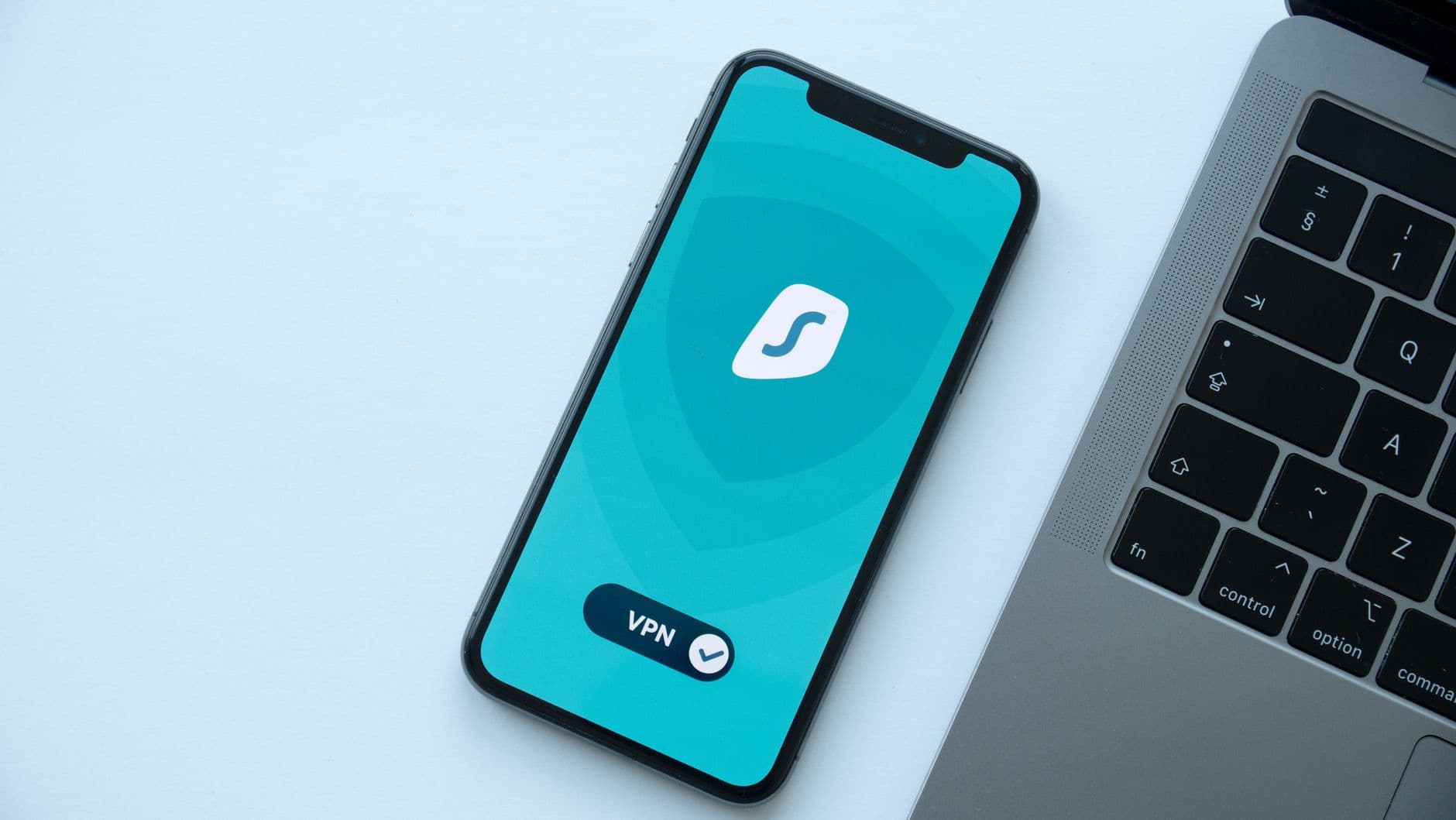
Website security isn't just for large enterprises, small businesses are frequent targets for cyberattacks. A breach can damage your reputation, cost thousands in recovery, and put customer data at risk. Here are the security essentials every Raleigh business needs.
HTTPS and SSL Certificates
Every website should use HTTPS. SSL certificates encrypt data between your site and visitors, protecting passwords, payment info, and personal data. Most hosting providers offer free SSL, there's no excuse not to use it.
Keep Software Updated
Outdated CMS platforms, plugins, and themes are common attack vectors. Enable automatic updates where possible and regularly check for security patches. If you're on WordPress, WooCommerce, or similar, updates are critical.
Strong Passwords and Access Control
Use unique, complex passwords for all admin accounts. Enable two-factor authentication wherever available. Limit admin access to only those who need it, and remove access when team members leave.
Regular Backups
Automated daily backups can save you if something goes wrong. Store backups off-site and test restoration periodically. Many Raleigh hosting providers include backup solutions, make sure yours is configured correctly.
Secure Your Forms
Contact forms and checkout pages need protection against spam and injection attacks. Use CAPTCHA, validate input server-side, and never store sensitive data like credit cards if you're not PCI compliant.
Need Help Securing Your Site?
At PixelMelon, we build secure websites from the ground up and can help audit your existing site. Contact us for a security assessment tailored to your Raleigh business.
Related Articles

Why Responsive Design Matters More Than Ever in 2024
With mobile traffic surpassing desktop, responsive design isn't optional, it's essential. Learn why your website needs to work flawlessly on every device.
Read article
The Ultimate Guide to Website Speed Optimization
Slow websites lose customers. Learn proven techniques to dramatically improve your site's loading speed and keep visitors engaged.
Read article
Conversion Rate Optimization: Turn Visitors Into Customers
Learn proven CRO strategies to transform your website visitors into paying customers. Discover the psychology behind conversions and actionable tactics.
Read article